
How to Choose the Right Fabric & GSM for Medical Uniforms: Comfort, Durability & Hygiene
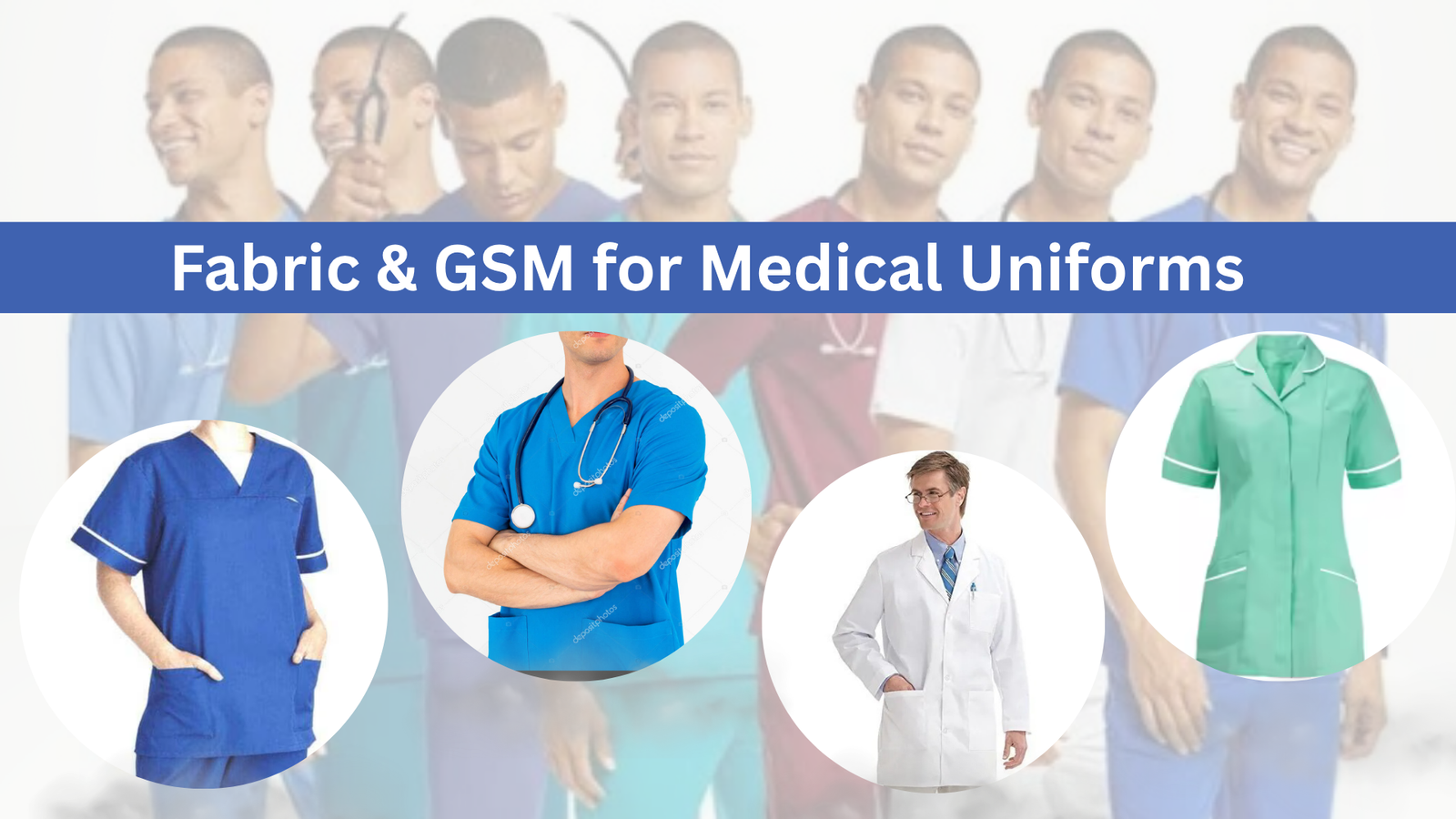
Introduction –
In the fast-paced healthcare environment, uniforms are more than just workwear — they represent professionalism, hygiene, and safety. For doctors, nurses, lab technicians, and hospital staff, medical uniforms must provide comfort during long shifts, ensure durability through frequent washes, and maintain strict hygiene standards.
One of the most critical aspects of designing a high-performance medical uniform is the choice of fabric and GSM (Grams per Square Meter). The right combination can make the difference between a comfortable, breathable uniform and one that causes discomfort during extended use.
At Medtech Uniform, we understand that every healthcare professional deserves attire that works as hard as they do. Our uniforms are crafted with precision-selected fabrics and optimized GSM to ensure long-lasting performance, comfort, and cleanliness in demanding hospital environments.
Understanding Fabric in Medical Uniforms
Fabric is the foundation of every medical uniform. The type of material chosen directly impacts the uniform’s comfort, appearance, and longevity. In hospitals, where uniforms face constant washing, exposure to disinfectants, and long working hours, fabric selection must meet both practical and hygienic requirements.
Common Fabrics Used in Medical Uniforms:
Cotton:
Known for its softness and breathability, cotton provides excellent comfort. It absorbs moisture well, keeping healthcare professionals cool and dry during long shifts. However, 100% cotton may shrink or wrinkle easily after repeated washing.Polyester:
A synthetic fiber known for durability and resistance to wrinkles and shrinkage. It dries quickly and retains color for a long time, making it ideal for uniforms that undergo frequent laundering.Poly-Cotton Blend:
A balanced combination of polyester and cotton, this fabric offers the best of both worlds — the comfort of cotton and the durability of polyester. It is lightweight, easy to maintain, and ideal for everyday hospital wear.Spandex Blends (Stretch Fabric):
Adding a small percentage of spandex to cotton or polyester fabrics enhances flexibility and ease of movement, which is particularly useful in scrubs and nursing uniforms.Antimicrobial or Fluid-Repellent Fabrics:
Advanced fabrics treated with antimicrobial finishes or fluid-repellent coatings help prevent bacterial growth and provide an extra layer of protection against spills and contamination.
Each of these fabrics can be used strategically depending on the job role and working environment — from operation theaters to patient care and laboratory work.
What is GSM and Why It Matters
GSM, or Grams per Square Meter, is a technical measure that defines the fabric’s weight and thickness. It determines how light, heavy, or durable a fabric feels. In simple terms, higher GSM means thicker and stronger fabric, while lower GSM means lighter and softer fabric.
Importance of GSM in Medical Uniforms:
Comfort: Lower GSM fabrics (120–150) feel lighter and are ideal for warm environments or long working hours.
Durability: Higher GSM fabrics (170–200) are more robust and withstand frequent washing and physical wear.
Protection: In infection-prone zones, a higher GSM with antimicrobial coating enhances protection against fluid penetration.
Professional Appearance: Proper GSM ensures the uniform maintains its shape and crisp look after repeated use.
Example:
Scrubs → 130–150 GSM
Lab Coats → 180–200 GSM
Patient Gowns → 110–130 GSM
Thus, selecting the correct GSM helps balance comfort, durability, and hygiene — the three pillars of ideal medical apparel.
Key Factors to Consider While Choosing Fabric for Medical Uniforms
Choosing the right fabric isn’t just about texture or color — it’s about functionality and endurance. Here are the major factors healthcare institutions and buyers must evaluate:
Comfort & Breathability:
Healthcare workers spend 8–12 hours in their uniforms. Breathable fabrics like cotton and poly-cotton blends allow airflow, preventing sweat and discomfort.Durability & Wash Resistance:
Medical uniforms undergo frequent sterilization and washing at high temperatures. The fabric must resist shrinkage, fading, and wear even after multiple wash cycles.Hygiene & Antimicrobial Protection:
Uniforms in hospitals can come in contact with infectious agents. Choosing fabrics with antimicrobial finishes minimizes bacterial growth and odor.Moisture Management & Sweat Absorption:
Especially in tropical climates like India, moisture-wicking properties are essential to keep professionals dry and fresh.Color Retention & Maintenance:
Hospitals often assign uniform colors for departments. Fabrics with strong dye affinity prevent fading and maintain a professional look.Professional Appearance:
The fabric should retain its structure, resist wrinkles, and look neat after long hours of wear — reflecting the credibility of the healthcare institution.
When these factors align, the result is a uniform that performs flawlessly under pressure.
Comparing Different Fabric Options –
| Fabric Type | Comfort | Durability | Hygiene Level | Best For |
|---|---|---|---|---|
| 100% Cotton | Excellent | Moderate | Good | Doctors, Surgeons |
| Polyester | Average | Excellent | Moderate | Housekeeping Staff |
| Poly-Cotton Blend | Very Good | Very Good | Very Good | Nurses, Lab Technicians |
| Spandex Blend | Excellent | Good | Good | Active Healthcare Roles |
| Antimicrobial Fabric | Excellent | Excellent | Superior | Operation Theatres, ICU Staff |
From the table, it’s clear that poly-cotton blends are the most balanced choice for everyday hospital uniforms, offering a perfect mix of comfort, hygiene, and resilience.
Recommended GSM Range for Different Uniform Types
| Uniform Type | Ideal GSM Range | Purpose |
|---|---|---|
| Scrubs | 130–150 GSM | Lightweight and breathable for all-day wear |
| Lab Coats | 180–200 GSM | Durable and structured for professional use |
| Patient Gowns | 110–130 GSM | Soft and gentle on skin |
| Housekeeping Uniforms | 160–180 GSM | Strong fabric for daily use and frequent washing |
| Nurse Tunics & Aprons | 140–160 GSM | Balanced for comfort and neat appearance |
By choosing the appropriate GSM, hospitals can ensure that each staff category gets a uniform tailored to their working needs.
The Medtech Uniform Advantage
At Medtech Uniform, we specialize in designing and manufacturing high-performance medical uniforms that align with international quality standards. Our deep understanding of healthcare work environments allows us to offer fabrics and GSM combinations that ensure unmatched comfort, hygiene, and longevity.
Why Choose Medtech Uniform:
Premium Fabric Selection: We source fabrics that meet industry standards for healthcare uniforms.
GSM Customization: Every product is designed with a carefully calibrated GSM for its intended use.
Antimicrobial & Fluid-Resistant Coating: Added protection against infection and spills.
Colorfastness & Easy Maintenance: Uniforms retain their color and texture even after repeated washing.
Custom Design Options: We provide tailored fits, embroidery, and departmental color-coding as per hospital requirements.
Bulk Manufacturing Capacity: Suitable for hospitals, clinics, medical institutes, and healthcare retailers.
From lab coats to surgical scrubs, Medtech Uniform delivers reliability stitched with care.
Tips for Maintaining Medical Uniform Fabric Quality
Even the best fabric can lose its performance without proper care. Here’s how to keep uniforms in top condition:
Wash uniforms separately from regular clothing to prevent contamination.
Use mild detergents and avoid chlorine bleach.
Wash in warm water to maintain color and remove stains effectively.
Avoid direct sunlight drying to prevent fading.
Iron at a moderate temperature to retain shape and smoothness.
Regularly inspect for wear or tear and replace damaged uniforms promptly.
Medtech Uniform fabrics are designed to withstand industrial washing, ensuring that your uniforms stay hygienic, soft, and durable for years.
Conclusion –
Selecting the right fabric and GSM for medical uniforms is not just about aesthetics — it’s about performance, comfort, and hygiene. A well-chosen fabric supports healthcare professionals through their demanding workdays while ensuring they maintain a polished, professional look.
Medtech Uniform stands at the forefront of this balance, providing scientifically designed, durable, and comfortable uniforms that meet the unique demands of the medical industry.